
T-Bone Accident: A Guide To Safety and Legal Steps
Accidents have become common, given the irregular traffic and lack of adherence to rules. However, a T-bone accident, commonly referred to as a side-impact or broadside collision, is one of the serious types of car crashes. In this, the front end of one vehicle crashes into the side of another, forming a T shape at the point of impact. These accidents most often occur at intersections or junctions where vehicles cross paths.
The T-bone incidents are the most hazardous as there are more chances of physical damage and, in worst cases, death of the person sitting on the side of impact. Therefore, understanding this accident and knowing the right safety and legal steps to take is imperative. This article covers all you need to know about T-bone accidents.
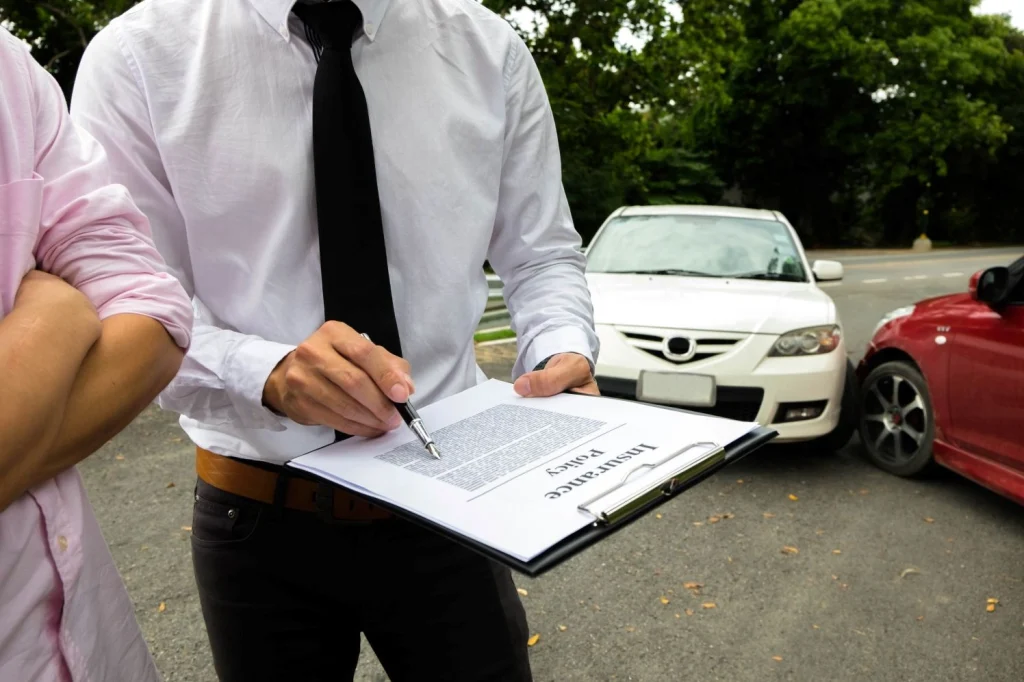
Safety Steps To Take After a T-Bone Accident
Ensure Safety First
T-bones are side impact crashes. Therefore, your priority must be the safety of all passengers. Check yourself and passengers for injuries. Contact emergency help if anyone is seriously injured. Furthermore, it is precautionary to stay at your place with your seatbelt fastened and wait for the authorities or rescue teams.
Call Authorities or the Police
Even a minor T-bone accident is eligible for damage and car injury compensation.. Therefore, it is important to contact the police and report the accident immediately. They will properly examine the scene and then prepare an official accident report. This report is crucial for insurance claims and any potential legal actions.
Seek Medical Attention
Many injuries from this type of accident are not immediately apparent due to adrenaline. However, it makes the pain or the nature of trauma more difficult. Even if you feel fine, visit a doctor or emergency room as soon as possible to check for hidden injuries like internal bleeding, whiplash, or traumatic brain injuries.
Document the Scene
Try to document the scene. It is advised to take photos and videos of the accident scene. In addition, capture vehicle damage, skid marks, road conditions, traffic signals, and any visible injuries. If there are witnesses to your intersection accident, ask for their brief statements on what they observed. This documentation strengthens your case and chances of compensation.
Exchange Information
Exchange essential information with the other drivers involved. To help file a claim, it is recommended to collect names, addresses, phone numbers, and driver’s license numbers. The vehicle details assist in legal processes and determining faults. If any driver refuses to provide their details, report it to the police.
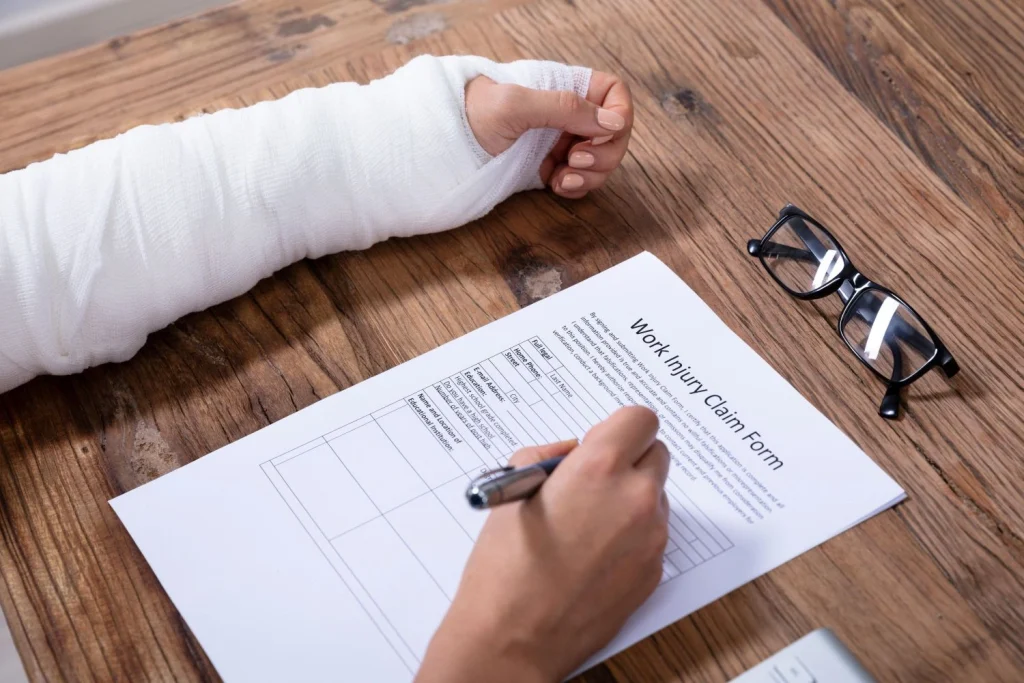
Legal Steps To Protect Your Rights
After a T-bone accident, it becomes necessary to file legal claims and protect your rights. In addition, this approach assists in getting considerable insurance for the damage and even injuries.
Avoid Admitting Faulty Statements
For such critical accidents, it is advisable not to admit faulty statements or speculate on who caused the accident. In addition, fault determination is complex and based on evidence such as traffic laws, cameras, accident reconstruction, and witness accounts. Admitting fault could jeopardize your ability to get compensation.
Preserve Evidence and Medical Records
A form of reckless driving accidents, T-bone accident can leave you in financial drain and pain. Therefore, keep all relevant documents secured. These include photos, videos, police reports, medical records, bills, and repair estimates. Moreover, do not post about the accident, your injuries, or your activities on social media. Such evidence can be used against you by insurance companies or opposing lawyers.
Notify Your Insurance Company
Contact your insurance provider promptly to report your T-bone accident. Provide accurate details but avoid admitting fault. In addition, cooperate fully with their investigation, supplying photos and the police report. Furthermore, keep records of all communications with the insurer.
Consult an Experienced Auto Accident Attorney
After the accident, it becomes necessary to navigate legal complexities through an authorized attorney. The attorney will help you investigate fault, gather additional evidence like black box data, and negotiate with insurance companies. Additionally, you will also be able to a fair car injury compensation.
In The End
A T-bone accident is one of the severe types of vehicle collisions. The impact may cause serious consequences. Therefore, knowing how to handle them can make a difference in ensuring your safety and protecting your legal rights. Consulting with an experienced auto accident claims lawyer makes the process easier as they professionally manage all legal claims and ensure fair compensation.
Why All Accident Claims?
Allaccidentclaims.com assists you in filing claims after car accidents. We equip you with the guidance needed to file for compensation and receive what you deserve. In addition, we also assist you throughout the claims process.
FAQs
How can I protect my legal rights after a T-bone accident?
To protect your rights after a T-bone accident, immediately seek medical attention to first take care of the injuries and second, gather evidence for filing the claims. Create medical records that serve as critical evidence and report the accident to the police. In addition, document the accident scene thoroughly with photos, videos, and witness information to support your claim.
Can weather conditions affect liability in a crash?
Weather conditions can indeed affect liability in a crash. Drivers are legally required to exercise reasonable care and adjust their driving behavior according to the weather. However, if a driver fails to take appropriate precautions for conditions like rain or high winds and causes an accident. They can be found negligent despite the weather’s role.
What is the first thing to do after a T-bone accident?
The very first thing to do after a T-bone accident is to prioritize health. Check yourself and any passengers for injuries. Immediately call emergency service providers to report the accident and request medical assistance. In addition, make sure to turn on your hazard lights to alert other drivers.
Latest Post


