
The Aftermath: File Car Accident Insurance Claim in Simple Steps
A sudden crash. The screech of tires, the crunch of metal, and then, the unsettling silence. Car accidents are jarring, disruptive events that can leave you shaken, injured, and unsure of what to do next. But knowing how and when to file car insurance claim makes all the difference. While the process can be complex and tough, the end result, that is, compensation, is what can pull you out of the financial stress and physical fatigue.
This guide breaks down the car accident insurance claim process into step-by-step, simple, manageable steps, helping you understand the filing, documenting, and applying process.
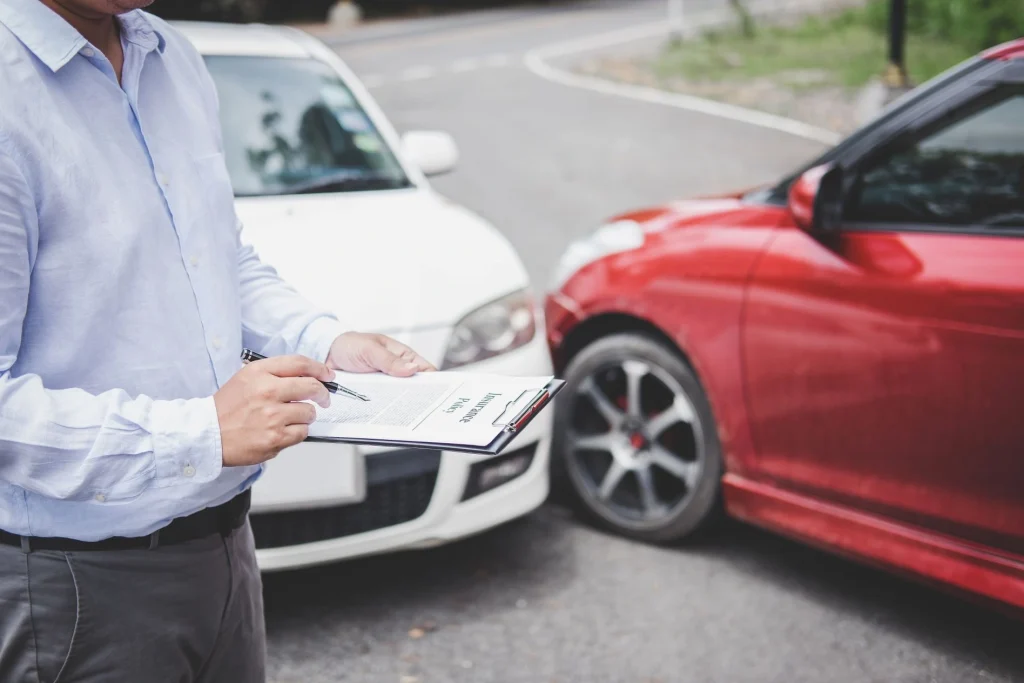
Prompt Action: What to Do at the Scene
The time following the car accident is the most crucial in terms of your safety. Moreover, for gathering the information necessary for your car accident insurance claim. Although panic is the first stimulus but catch your breath and gather all the information and required proof for filing compensation.
Check for Injuries
Look for injuries for both you and the passenger or the other person involved in the accident. If there are minor injuries, call 911 immediately. Most importantly, don’t try to move anyone who is seriously injured unless there’s an immediate danger of a vehicle fire or another vehicle crushing over.
Move to a Safe Location (if available)
If the vehicles are drivable and it’s safe to do so, move them to the side of the road or a nearby parking lot to prevent further accidents and clear traffic. If not, turn on your hazard lights.
Call the Police
For any accident involving injuries, significant property damage, or if the other driver is uncooperative, call the police. Make sure to file a police report, which, as an official record, will be proof for your MVA insurance claim. Even for minor accidents, a police report can prevent disputes later.
Gathering All the Critical Information
While waiting for the police and help, gather all the information that you can later use to file your car accident insurance claim.
Exchange Information
Start by gathering the following details from (all) other drivers involved:
- Full name and contact information (phone number, address)
- Insurance company and policy number
- Driver’s license number
- Vehicle make, model, year, and license plate number
Document the Scene
Take out that smartphone and begin recording the scene. Try to collect as many pictures and video proofs as possible from different angles.
- Vehicle Damage: Capture close-ups of damage to all vehicles involved, as well as wider shots showing the vehicles’ positions relative to each other and the road.
- Road Conditions: Photograph skid marks, debris, traffic signs, road markings, and anything else relevant to the accident’s cause.
- Injuries: If there are visible injuries, document them, but after taking consent, if possible and appropriate.
- Seek Witness Information: If there is anyone who saw the accident, even from a distance, ask for their name and contact information. These people can testify in your favor and provide objective accounts that strengthen your insurance for car accident claim.
- Do Not Admit Fault: Even if you think you might be to blame, avoid any such sympathies at the scene. Instead, let the insurance companies and authorities determine fault.
The First Call: Notify Your Insurance Providers
Once you’re safe and have gathered the necessary information, contact your insurance provider without wasting another minute. As most policies have a clause for time constraints, delaying reporting can jeopardize your claim. Furthermore, if you doubt filing a claim, it would be a good practice to at least keep your insurance provider in the loop.
What to Expect During the Initial Call
After calling your insurer, they will register a claim and assign a claim number along with a claims adjuster. Make sure to provide:
- The date, time, and location of the accident.
- A brief description of what happened, but the facts, avoid speculation.
- Details of the other drivers and vehicles involved.
- Information about any injuries sustained by anyone in your vehicle.
- The police report number, if applicable.
The Beginning of Claim: Working with the Adjuster
After the initial call for car accident insurance claim, an assigned adjuster will get back to you for further processing. The role of the adjuster includes investigating the accident, determining fault, assessing damages, and ultimately authorizing payouts.
The Next in Process
The adjuster will contact you to discuss the accident in more detail. They may:
- Review the Police Report: An official document that will provide a factual summary of the accident.
- Interview Witnesses: If there were witnesses, the adjuster may contact them to gather their take and statement.
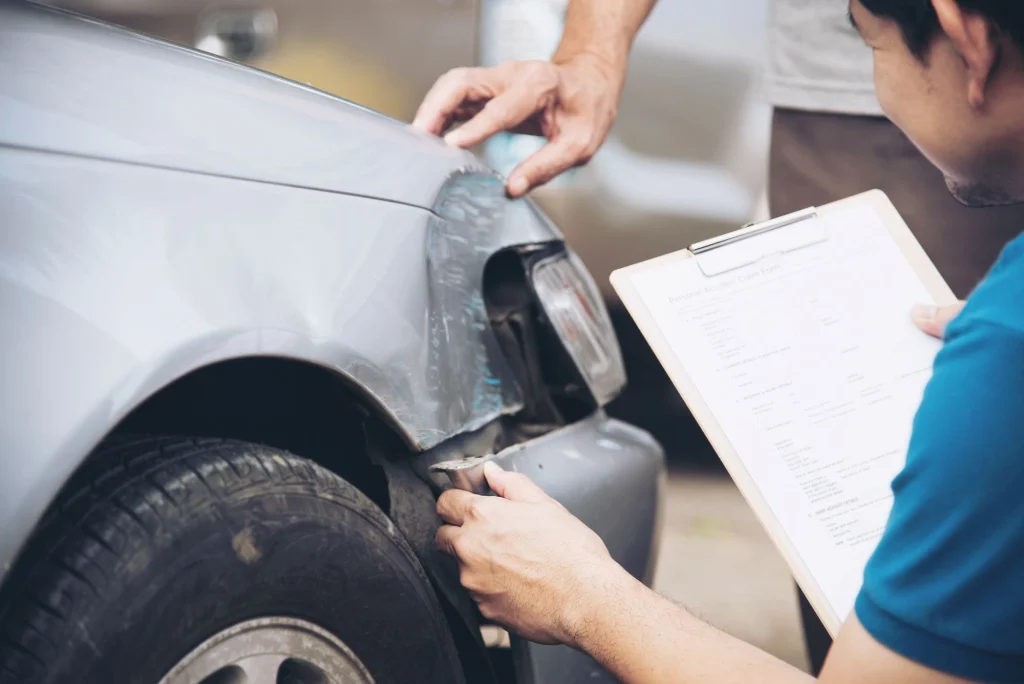
- Examine Vehicle Damage: Damage assessment for all the involved parties and identify the extent of the damage, and estimate repair costs. This might involve you taking your car to a preferred body shop or the adjuster sending an appraiser.
- Request Medical Records: If you’ve sustained injuries, the adjuster will request access to your medical documents, including bills (if you have paid them yourself).
- Determine Fault: Based on all the gathered evidence, the adjuster will determine who was at fault for the accident. This is crucial particularly in “at-fault” states. Even in “no-fault” states, fault can still affect the car insurance claim, especially for severe injuries.
Finally: Reaching a Fair Settlement
The adjuster will propose a settlement amount based on their assessment of damages, medical costs, lost wages, and other covered expenses.
- Review the Offer Carefully: Don’t rush to accept the first offer. Review the breakdowns and understand all the compensation, especially for future medical needs or potential long-term impacts.
- Negotiate (if required): You can negotiate the settlement amount if you believe it’s insufficient through additional documentation or arguments.
- Be Realistic: While you want a fair settlement, be realistic about what your claim is worth. Research comparable cases if possible.
If Need be: When to Consider Legal Counsel
While many car accident insurance claim processes can be handled directly with the provider, there might be instances where you would need to consult a personal injury attorney.
- Serious Injuries: If someone sustained serious injuries that require long-term medical treatment or can lead to disability, whether temporary or permanent.
- Disputed Liability: If there’s a disagreement about who was at fault for the accident, or if the other driver’s insurance company is denying your claim.
- Lowball Offers: If the insurance company makes an offer that you believe is significantly less than what your claim is worth.
- Complex Claims: Accidents involving multiple vehicles, uninsured/underinsured motorists, or commercial vehicles.
- Difficulty Communicating: If the insurance company is unresponsive or difficult to work with.
Final Thoughts: Staying Organized and Patient
Filing a car accident insurance claim requires patience, attention, and organization. Put all the documents together in a separate folder or store them somewhere easily accessible on your smartphone. Car accident insurance is there to guard you, and knowing how to leverage it is going to be your most effective move. Moreover, by simply following the above-mentioned steps, you can conveniently handle the post-accident situation and claim process.
Don't Go It Alone, Let All Accident Claims Help
Understanding MVA insurance is tricky, and filing for a claim post-accident further adds to the stress. All Accident Claims is your support in this time of need by guiding you through the claims process, helping you file compensation, and staying connected until you get it without the burden of intricate paperwork and negotiations.
FAQs
What if the other driver doesn't have insurance or flees the scene?
Your Uninsured/Underinsured Motorist (UM/UIM) coverage would typically apply in these situations, or your collision coverage if the accident was your fault and the other party fled.
Can I get my car repaired before the adjuster has seen it?
It’s strongly advised to wait for the adjuster’s assessment or their approval, as repairing beforehand could complicate your car accident insurance claim and potentially reduce your payout.
Does filing a claim automatically make my rates go up?
Not necessarily. If you’re not at fault, your rates are less likely to increase, but factors like your claims history and the specific insurer play a role.
Latest Post


